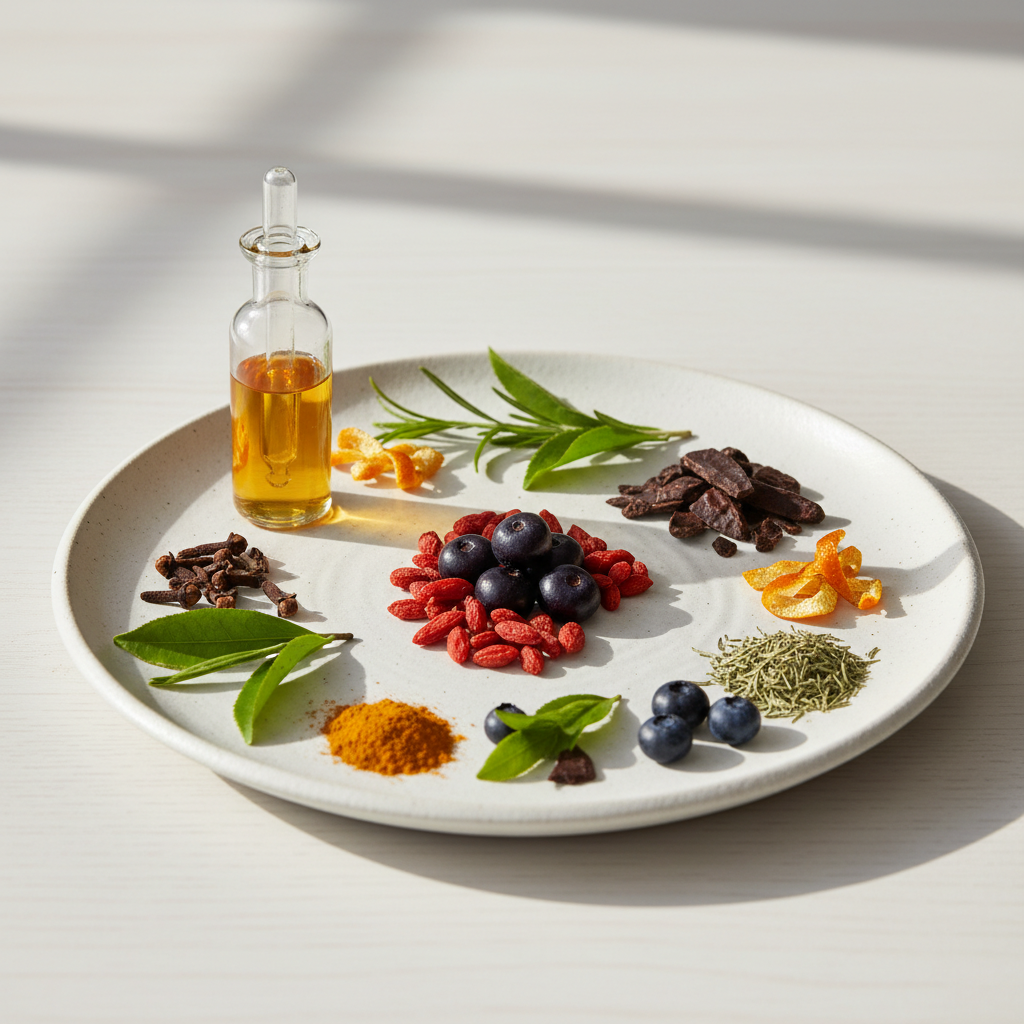
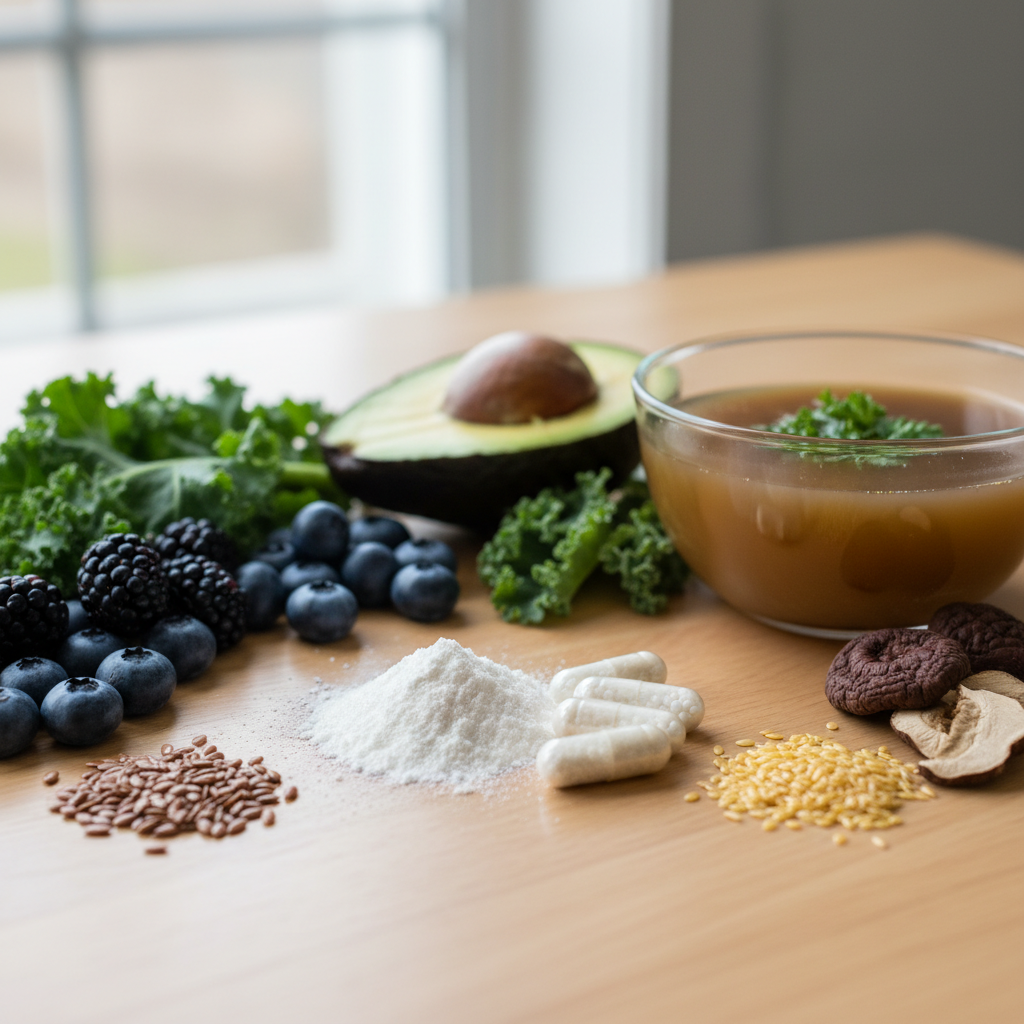
Exploring Natural Wellness for a Dynamic Lifestyle

An independent educational resource on botanical compounds and vitality.

Educational content only. No promises of outcomes.

Understanding Natural Compounds

The study of natural compounds involves analyzing the complex chemical structures found within plants and minerals. These substances have been observed for centuries, often forming the basis of traditional wellness practices across various global cultures.

Botanical detail
  • Botanical Extracts: Concentrated forms of plant material containing bioactive molecules.
  • Essential Micronutrients: Trace elements that support the body's natural physiological processes.
  • Phytochemicals: Non-nutritive plant chemicals that possess protective or functional properties.
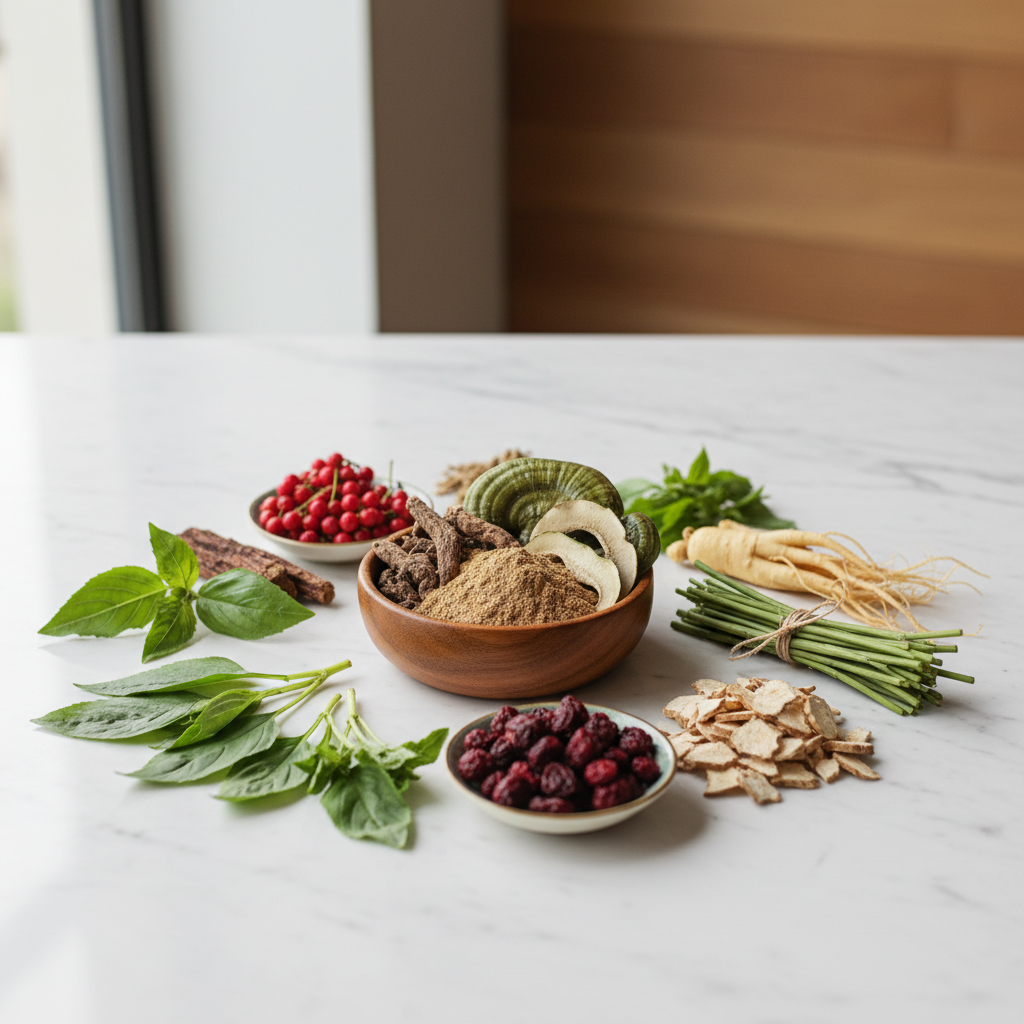
The Science of Inquiry

Modern research into natural wellness focuses on isolating specific compounds to understand their interaction with human biology. This process involves rigorous observation and data collection to map how certain elements contribute to overall equilibrium.

Observation 40%
Analysis 35%
Synthesis 25%

"Systematic research allows us to bridge the gap between traditional wisdom and contemporary understanding of botanical science."

Categories of Wellness Support

Herbs

Adaptogenic Herbs

Botanicals that are studied for their role in helping the system maintain balance during various environmental stressors.

Botanicals

Antioxidant Botanicals

Compounds known for their ability to neutralize free radicals and support cellular integrity.

Nutrients

Structural Nutrients

Elements that provide the building blocks for connective tissues and joint resilience.

Throughout history, civilizations from the Mediterranean to East Asia have documented the use of specific roots and leaves to sustain vitality and movement.

The historical context of these ingredients provides a roadmap for modern investigation, highlighting long-standing human relationships with the natural world.

Healthy Lifestyle

Holistic Approach to Vitality

True wellness is rarely the result of a single factor. It is the synergy of various lifestyle choices that creates a foundation for a dynamic life.

  • Balanced nutritional intake from diverse sources.
  • Consistent physical activity tailored to individual capacity.
  • Restorative sleep cycles and stress management.
  • Informed selection of supportive natural compounds.

Common Misconceptions

? Is natural always safer?

While natural, botanical compounds are potent and should be understood as active substances. Concentration and source matter significantly in their profile.

? Can they replace diet?

No compound can substitute for the complex matrix of nutrients found in whole foods. They are meant to complement, not replace, a foundational diet.

Discovery

Discovery

Identifying promising botanical sources through ethnobotanical records.

Analysis

Analysis

Using chromatography to isolate and verify active molecular components.

Application

Application

Conceptualizing how these compounds fit into modern lifestyle frameworks.

A - Adaptogen

B - Bioavailability

C - Curcuminoids

F - Flavonoids

P - Polyphenols

Glossary of Terms

Bioavailability: The proportion of a substance which enters the circulation when introduced into the body and so is able to have an active effect.

Lab

Polyphenols: A category of compounds naturally found in plant foods that are studied for their potential wellness properties.

Plants

Frequently Asked Questions

What is the primary focus of Qrumal? +
Are these materials based on scientific research? +

Deepen Your Understanding

Explore our comprehensive catalog of botanical insights.

View Overview

Limitation & Context

The information provided on Qrumal is for educational and informational purposes only. It does not constitute individual recommendations or medical advice. Natural wellness approaches vary significantly between individuals, and these materials should not replace personal decisions made in consultation with professionals.